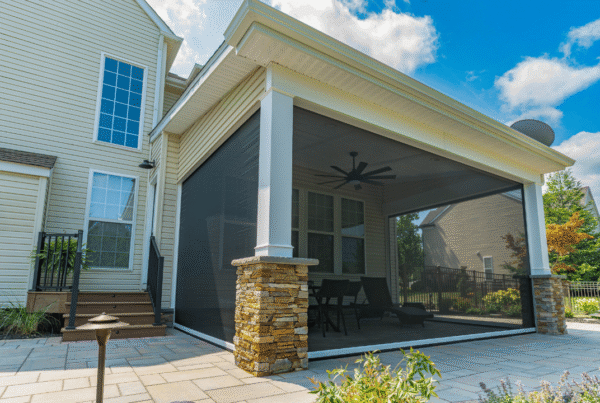

Discover the top 5 plants that thrive in Lehigh Valley’s climate, plus expert growing tips and beautiful photos to help your garden flourish year-round.
Lehigh Valley gardeners know the challenge: cold winters, humid summers, clay-heavy soil, and unpredictable rainfall. Whether you’re gardening in Allentown, Bethlehem, or Easton, choosing climate-adapted plants is the key to success.
Lehigh Valley supports a wide range of hardy perennials, shrubs, and native plants. Below are the top 5 plants that consistently thrive in this region—perfect for beginner and experienced gardeners alike.
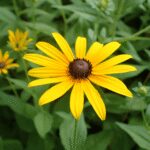
- Black-Eyed Susan (Rudbeckia)
Why it thrives:Black-Eyed Susans are native to Pennsylvania and tolerate heat, humidity, and poor soil conditions.
Growing Tips:
- Full sun (6+ hours daily)
- Well-drained soil (tolerates clay)
- Drought-resistant once established
- Blooms July–September
Plan for the right season, follow a simple process for local conditions, and support steady growth with proper spacing and drainage. Lehigh Valley has a variety of garden centers and plant nurseries, and a typical garden center carries plants, gardening supplies, and tools.
Bonus: Attracts pollinators like butterflies and bees.
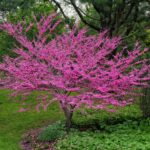
- Eastern Redbud (Cercis canadensis)
Why it thrives:This native ornamental tree handles Pennsylvania winters and provides stunning early spring color.
Growing Tips:
- Full sun to partial shade
- Moderate watering
- Height: 20–30 feet
- Blooms April–May
Best For: Small yards and front landscapes where planning helps match the available space near the house and across the yard to healthy growth.
For homeowners interested in a broader landscape, we can create designs with other plants, including edible native plants that provide food and support sustainability. With the right plan, chestnuts begin to produce at around 20 feet tall for a longer-term harvest, while raspberries can eat fresh and often fruit in their first year, so they should be placed away from the house.
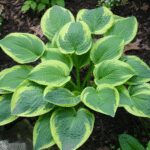
- Hostas
Why they thrive:Hostas love shady areas, making them perfect for older Lehigh Valley neighborhoods with mature trees and helping soften the look of a residential or commercial property.
Growing Tips:
- Partial to full shade
- Moist, well-drained soil
- Mulch to retain moisture; mulch is one of the common materials available from local landscape supply yards
- Divide every 3–5 years
Bonus: Extremely low maintenance and a quality choice for simple planting beds without adding much lawn care or extra lawn upkeep. Landscape supply yards also carry rock, plants, and other gardening materials used in planting and landscape construction projects.

- Coneflower (Echinacea)
Why it thrives:Coneflowers are drought-tolerant and survive cold winters with ease.
Growing Tips:
- Full sun
- Well-drained soil
- Minimal fertilizing
- Blooms June–August
Best For: Pollinator gardens and native landscaping that support local pollinators, wildlife, and a healthier environment.
Quality shrubs, trees, evergreens, and flowers can be combined with native plants, including edible native plants, in sustainable landscape designs.
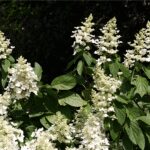
- Hydrangea (Panicle Variety)
Why it thrives:Panicle hydrangeas are cold-hardy and bloom reliably even after harsh winters.
Growing Tips:
- Full sun to partial shade
- Regular watering
- Prune in late winter
- Blooms mid-summer through fall
Pro Tip: Choose panicle types over big leaf varieties for better winter survival in Lehigh Valley.
They also pair well with a nearby water feature to create a calmer garden setting and can even add meaningful value to your property.
Options like a fountain near the patio, a pond that supports aquatic plants and fish, or a waterfall with soothing sound can attract birds and other wildlife while adding visual interest.
Why These Native Plants Perform So Well in Lehigh Valley
Lehigh Valley’s:
- Cold winters (average lows below 20°F)
- Humid summers
- Clay-heavy soil
- Moderate rainfall
These plants tolerate all of the above, making them dependable year after year. A successful project also considers the growing space, and hardscaping such as patios, walkways, and retaining walls can improve landscape stability, reduce soil erosion, and enhance property value. Common hardscaping materials include stone, brick, and concrete, and design-build landscape construction can transform a site with outdoor kitchens tailored to the available area by an experienced team. These features may include grills, sinks, and refrigerators for entertaining, while custom in-ground concrete pools require professional design and quality craftsmanship and are often paired with patios or water features.
Quick Native Plant Nursery Comparison Table
| Plant | Sun Needs | Water Needs | Bloom Time | Difficulty |
|---|---|---|---|---|
| Black-Eyed Susan | Full Sun | Low | Summer | Easy |
| Eastern Redbud | Sun/Partial | Moderate | Spring | Easy |
| Hostas | Shade | Moderate | Summer | Very Easy |
| Coneflower | Full Sun | Low | Summer | Easy |
| Panicle Hydrangea | Sun/Partial | Moderate | Summer–Fall | Moderate |
A local restoration project in the community shows how well-planned native plantings can succeed in Lehigh County: over 700 tree varieties were planted along Monocacy Creek to help protect the environment near a local park.
Final Thoughts for Lehigh County
If you want a garden that thrives with minimal stress, Wescosville, PA homeowners and residents who want to improve the overall property can start with these proven performers. By choosing plants suited to Lehigh Valley’s unique climate, you’ll enjoy vibrant blooms, healthier soil, and less maintenance throughout the seasons, and custom pools can enhance outdoor living spaces significantly. To schedule a visit, our team offers local planting and lawn care guidance in Wescosville, PA, with service across multiple locations in Lehigh County and the west side of the Lehigh Valley.